Business Travel Data Security: Protect Sensitive Work Info
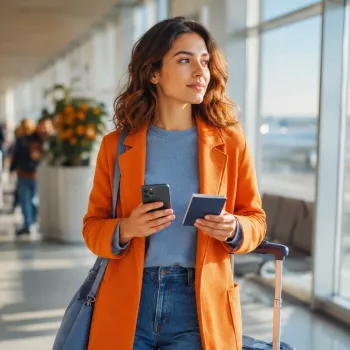
What should business travelers do to protect sensitive work data on the road?
Business travel adds real risk: unfamiliar networks, crowded public spaces, and devices that are easier to lose or steal. A simple, repeatable security routine can prevent most data exposure without slowing down your trip.
Start with device hardening before you leave
Update your operating system and apps, enable full-disk encryption, and require a strong passcode plus biometric unlock. Turn on automatic screen lock, disable lock-screen previews for email/messages, and confirm “Find My”/remote wipe is active for laptops, phones, and tablets.
Use safer connectivity everywhere
Avoid public Wi‑Fi when possible and tether to your phone instead. If you must use hotel or airport Wi‑Fi, use your company VPN and avoid accessing sensitive systems unless you’re on a trusted, encrypted connection. Turn off auto-join for Wi‑Fi and Bluetooth to reduce accidental connections.
Protect data, not just the device
Keep sensitive files in approved, encrypted cloud storage rather than saving them locally. Use a password manager, unique passwords, and multi-factor authentication (prefer an authenticator app or hardware key over SMS). Never plug into unknown USB ports; use a data-blocking adapter or your own charger.
Practice “eyes-off” privacy in public
Use a privacy screen filter, sit with your back to a wall when working, and be cautious during calls in rideshares or hotel lobbies. Log out of accounts when finished and avoid printing documents unless absolutely necessary.
Plan for loss or theft
Carry devices in your personal item, not checked luggage. Label hardware discreetly, keep an inventory of serial numbers, and know your company’s incident-report steps. If something goes missing, report immediately so IT can revoke sessions, rotate credentials, and trigger remote wipe.
For a more detailed checklist and travel-friendly security habits, visit the main guide on protecting work data while traveling.
FAQ
How can I keep my work accounts secure while traveling?
Use multi-factor authentication, a password manager, and log in only from trusted devices. If you suspect exposure, change passwords promptly and sign out of other sessions.











Leave a comment